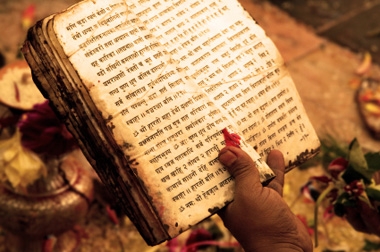
It is said that the greatest Sri Krishna pooja that a person can do is to read the Bhagavad Gita and contemplate. But many people feel the need to perform a puja when they feel they need to connect with the Supreme Being. A simple puja dedicated to Lord Krishna helps in keeping the mind calm and in concentrating. Some people exclusively perform Sri Krishna pooja during Sri Krishna Jayanti or Janmashtami or Gokulashtami.
On this day special Poojas and rituals with chanting of shlokas are conducted in all the Krishna temples. Devotional songs are sung in the praise of Krishna. In places like Mathura (birth lace of Krishna); Dwaraka (Krishna rules this place); Gokula (the place where Krishna grew up) and Vrindavan (where Krishna spent time with his consort Radha), the festivities are colourful and special.
In Udupi, Karnataka the festival is celebrated in the Krishna mutt. Devotees fast on this day and offer the pooja to the Lord at midnight and then break the fast by consuming Naivedya (offerings). Variety of delicious savouries are prepared on this day and offered to the Lord along with fruits, coconut, butter (Krishna's favourite as a child), avalakki/poha (flattened rice) and milk. Some of the savouries prepared on this day Tengol, chakkali, Shankarpoli, Kodabale, Karchikayi, Coconut Barfi, Besan Laddoo, Wheat Laddoo, Sev, Avalakki, Chivda, Rava Laddoo, Mysore pak etc.

In Maharashtra, Dahi Handi ritual is carried out with great enthusiasm. An earthern oot filled with curd/yogurt is hung 20 to 30 feet above ground and the group which breaks it by forming a human pyramid wins the contest.
In households, a small cradle made of wood or silver is decorated and the idol of Balakrishna (Baby Krishna) is decorated and worshipped. A special arathi is performed and songs in praise of Lord Krishna is sung. The neighbourhood women and children are invited home and offered KumKum, turmeric powder, flowers, fruits, betel leaf and nuts, and a packet of assorted savouries.
Women sing lullabies and the cradle is slowly swayed by a thread decorated with flowers. Baby boys are dressed as Krishna complete with peacock feather in the hair and flute in the hand.
Here is how to perform a simple puja dedicated to Lord Krishna:
- Select a calm and quite place.
- Clean the pooja area and then take a bath.
- Place a photograph or idol or picture of Lord Krishna also of Lord Ganesha.
- Keep a lamp ready. Place some flowers and fruits or sweets ready in a plate.
- Pray to Ganesha.
- Meditate for a few minutes to clear the mind of unwanted thoughts.
- Now light the lamp.
- Meditate or pray to Lord Krishna.
- Offer flowers – Tulsi leaves is the best offering made to Krishna. You can light incense or agarbathis. If needed you can ring the bell, while offering flowers.
- Chant the shloka – Om Namo Vasudevaya Namah.
- Now offer fruits or any sweet or usual food prepared for the deity. You can sprinkle some water after making the offering.
You can meditate for a few minutes or read some shlokas or prayers dedicated to Krishna.
After the Krishna Puja remove the fruits and share it as ‘prasad’ with others.
After the puja, find some time to read the Bhagavad Gita and contemplate. One finds ideas and thoughts rushing in while chanting this - which will help you in finding new meaning and direction in your life. Other spiritual books that can be read include Uddhava Gita and Srimad Bhagavad Purana.
Popular Shlokas/ songs:
Sri Krishna taught us to rise above rituals and to perform action. The best offering to Sri Krishna is to perform one’s duty by realizing the human within.
Also Read: The legend of Krishna Janmashtami